Teen Vandalism
Although sometimes viewed as juvenile pranks, teen vandalism is actually criminal. To find out more about teen vandalism, continue this article.
Definition of Vandalism
The official definition of vandalism is given by the Uniform Crime Reporting (UCR) division of the Federal Bureau of Investigation (FBI). It says that vandalism is “willful or malicious destruction, injury, disfigurement, or defacement of any public or private property, real or personal, without the consent of the owner or persons having custody or control” as stated in the most recent Office of Juvenile Justice and Delinquency Prevention Fact Sheet on Juvenile Vandalism, issued in July 2000.
Vandalism includes a wide variety of acts such as:
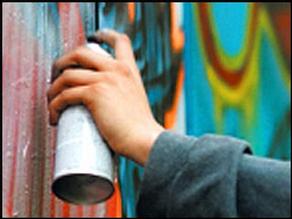
- posting graffiti in public places
- breaking or throwing items out of windows
- smashing mailboxes
- stealing
- trashing unguarded property, often empty buildings and/or lots and public or semi-public toilet facilities; school property is often a target
- setting fires
- tampering with equipment, such as vending machines and pay telephones
- setting false fire alarms
- damaging parked cars
- damaging trees
Understanding Teen Vandalism
Some of the behaviors and situations that are linked to teen vandalism include:
- binge drinking
- seeking money to buy drugs
- peer pressure
- feeling hostile towards the property owner
In the case of graffiti, however, there may be other factors at works. At least some graffiti vandals (as the New York Police Department chooses to refer to them) consider themselves “graffiti artists” or “street artists.” It seems that these individuals view their efforts to be towards ornamenting or enhancing coupled with self expression. The international fame of Banksy, the English graffiti artist, and other graffiti artists has likely contributed to teen confusion about whether graffiti vandalism should be considered criminal.
And, in fact, teen’s graffiti creations-while not in sanctioned places-may have artistic merit. This possibility places this type of teen vandalism in contrast to types of vandalism in which items are devalued through being smashed or broken. That is, smashing property is wrong because it damages property. Graffiti is wrong because it is created in the “wrong” place. While addressing teen vandalism often involves reparation and repair of damaged property, addressing teen vandalism involving graffiti may also involve providing the individual with a sanctioned place in which to perform his or her “art” and opportunities to put the talent to a positive use.
Consequences of Teen Vandalism
Besides repairing damage to structures, covering graffiti, replacing ruined property, there are other high costs to teen vandalism. Publicly viewable vandalism changes the atmosphere of a place. It may give the impression that the people in the area do not value their space and that the area is not well-protected and perhaps unsafe. This may result in reduced use of the area in and around the damaged property. Property, such as subway cars, that has to be removed from service in order to be cleaned of graffiti or repaired also can cause disruption of service.
Addressing Teen Vandalism
Different approaches are taken to teen vandalism. Education is one approach. Making sure that teens can distinguish pranks from vandalism is one issue addressed. Repairing and restoring property, which has been found to ease public concerns as well, is another. Reparation is often part of the restitution if a teen vandal is caught.
A third approach to preventing teen vandalism is prevention. One way of preventing vandalism is providing alternative activities for teens. Teen centers, schools, and community groups may sponsor alcohol-free activities, for example. Patrols in areas that are susceptible to vandalism may also help discourage teen vandals from harming it.
Sources
National Criminal Justice Reference Service
The U.S. Department of Education’s Higher Education Center for Alcohol and Other Drug Abuse and Violence Prevention